

Okay, so check this out—NFTs on Solana felt clunky at first. Wow. My first impression was: things should just work. Medium fees, fast confirmations, all that promise. But reality was different. Transactions still confused friends. Wallet pop-ups startled newbies. My instinct said there was a gap between speed and usability. Something felt off about the onboarding flow and the security nudges… and honestly, that part bugs me.
I’ll be honest: I use Solana wallets every day. I fiddle with devnets, test airdrops, and yes, I’ve accidentally sent tiny SOL amounts to the wrong account (ugh). At the same time, when a good browser extension fits into your routine, it becomes invisible—like a seatbelt you only notice when it’s missing. Really?
Here’s the thing. Wallet extensions for Solana — especially those focused on NFTs — are more than a key management UI. They are the interface between you and an emergent culture: marketplaces, creators, DAOs, and on-chain games. On one hand it’s thrilling. On the other hand, the UX choices you make as a user affect your security and your buys. On the gripping side: cheap fees and fast finality make collection impulsive. Though actually, impulsivity without guardrails gets people in trouble.
So I want to walk you through practical tips, real tradeoffs, and the setup that keeps your NFTs accessible without turning into a mailbox for phishing attempts. Initially I thought a single checklist would do. But then I realized the ecosystem has nuance—wallet features, extension permissions, hardware integrations—that deserve a slightly deeper look.
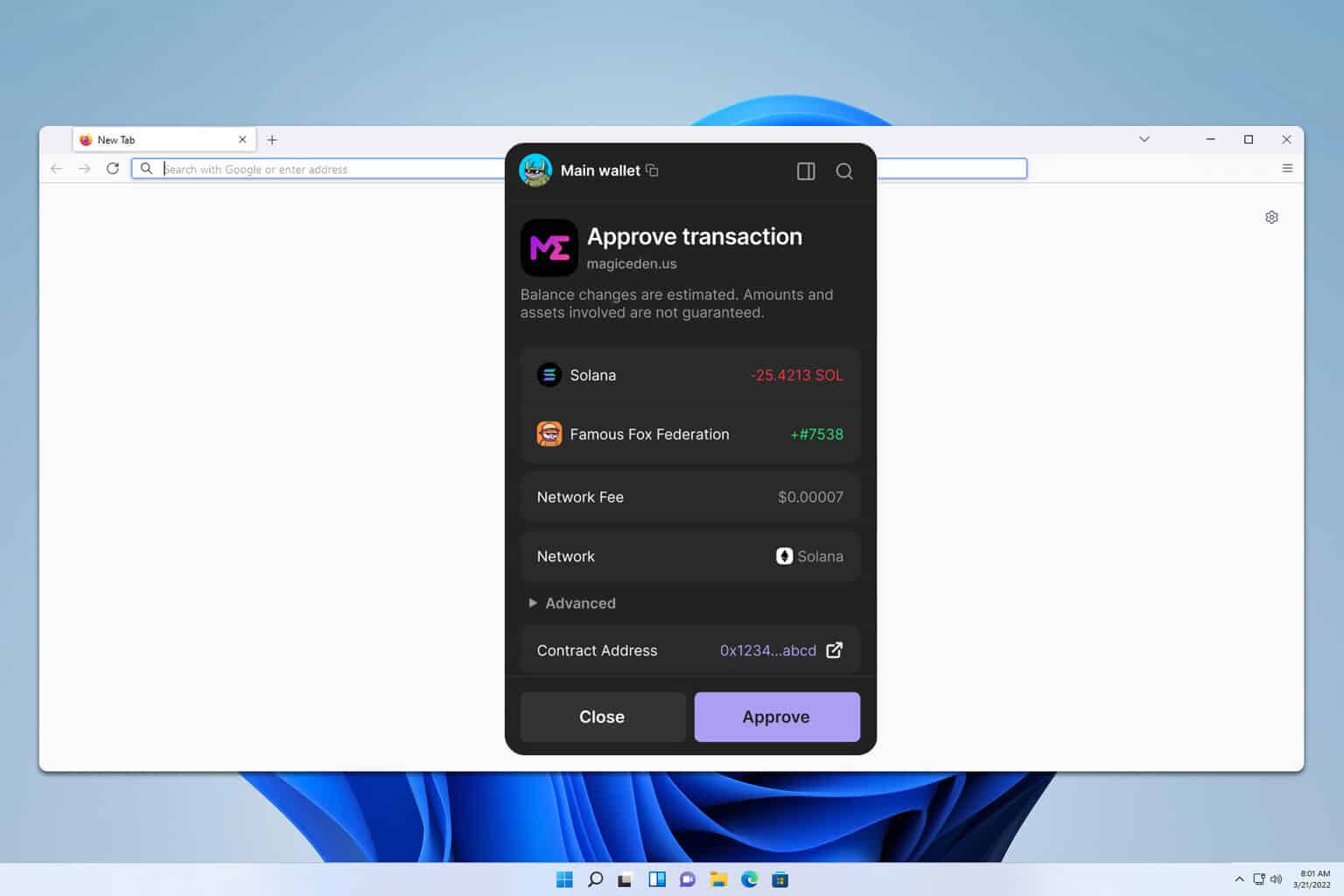
What a good Solana NFT browser extension actually needs
Short answer: safety, clarity, and speed. Whoa! Those are the pillars. A browser extension should keep private keys local and compactly present transaction details. Medium users want confirmations that are readable. Long-term collectors need easy export and hardware wallet compatibility so they can separate day-to-day browsing from cold storage.
Security features I use and trust include seed phrase encryption, explicit permission scopes (no blanket approvals), and a clear way to revoke prior approvals. Seriously? Some extensions still request unlimited token approvals by default. That’s a red flag. My rule: pay attention to “Approve” dialogs. If a site asks to spend all tokens, cancel and re-evaluate. (Oh, and by the way… write down your seed phrase the old-fashioned way. Digital backups are convenient but risky.)
Another core capability is NFT metadata preview. It sounds trivial, but when you cross-check MIME types and asset origins, you often catch cloned listings or bad links. On-chain pointers can lead to off-chain content, so the wallet should show where the image/audio/video is hosted. Initially I thought the wallet should do everything; then I realized—no, it should show the facts and let you make an informed call.
Why Phantom stands out for many collectors
Okay, I’ll say it: I’m biased toward pragmatic design. phantom wallet made a big dent in Solana UX because it simplified onboarding and built in marketplace handoffs without drowning users under technical options. Hmm… roll that around. The link below points to a straightforward download source, and if you want a place to start, that’s where many folks land.
phantom wallet integrates wallet connect-like flows, clear transaction notes, and extension controls that reduce accidental approvals. But note—no wallet is perfect. You should still use caution, and sometimes wait for confirmation on large or unusual transactions.
On the technical side, Phantom’s integration with Ledger and other hardware devices is invaluable for collectors who want cold storage. If you plan to hodl a blue-chip NFT for years, a hardware tethered to your extension is the right move. My workflow: browser extension for daily browsing, and a hardware device for cold storage moves. It’s not glamorous, but it works.
Practical tips for buying NFTs with a browser extension
1) Read the transaction text. Really. A single line can reveal whether a marketplace is asking for unlimited permissions or a one-off purchase. If it’s vague, pause. Short sentence.
2) Use network-specific tools. Solana is fast; confirmations are quick. That speed means you might need to double-check memos or recipients before hitting confirm. Initially I thought speed would always be an advantage, but speed can make mistakes permanent.
3) Split funds between “hot” and “cold” wallets. Keep a small SOL amount in the extension for gas and micro-buys. Keep the rest offline. This is basic risk management, but many people forget. Somethin’ as simple as this reduces exposure.
4) Check metadata sources on the NFT page. If the asset points to an unknown CDN or a suspicious IP address, step back. Marketplaces and wallets vary in how much provenance they surface, so adopt a skeptical mindset.
5) Revoke approvals regularly. Use tools that list token approvals and revoke them when unused. This habit is low-effort and very effective. My instinct said this was annoying at first, but over time it’s protective. Honestly, it saved a friend from losing a small collection once.
Common pitfalls and how to avoid them
Scams often look polished. They use familiar domain names, fake social proof, or copycat UIs. On one hand these pages can trick even savvy users. On the other hand, basic habits stop most attacks: verify domains, cross-check contract addresses, and only connect when necessary. Actually, wait—let me rephrase that: treat connections like permissions on your phone. Grant only what’s needed.
Another trap is transaction timing. Bots snipe rare mints. If you’re auto-approving transactions to be fast, you open a huge window. Consider adding manual checks for minting events. Yes, it’s slower—though it’s safer, and speed is overrated if you lose your keys.
Finally, don’t ignore community signals. Discords and Twitter threads reveal ongoing phishing efforts. Jump into the community, but keep skepticism high. People post warnings quickly, and often the same scam repeats in cycles.
FAQ
Can a browser extension be secure enough for valuable NFTs?
Short answer: yes, with layered defenses. Use hardware wallets for long-term holdings, enable biometric or password locks on your extension, and maintain separation between daily wallets and cold storage. Revoke unused approvals and monitor activity. Long sentence: combine those habits and you’ve dramatically reduced risk, though nothing is 100% foolproof.
What if I accidentally approved a malicious site?
Disconnect immediately, revoke the approval from your wallet’s settings, and transfer remaining assets to a fresh wallet if necessary. Also notify the marketplace and check community channels for guidance. My first reaction is panic; then I breathe and follow a checklist—do not interact further with the malicious site.
Which features should I prioritize in a Solana NFT wallet?
Prioritize seed phrase safety, clear transaction descriptions, hardware wallet support, and the ability to inspect NFT metadata sources. Also value UI clarity. A pretty interface means little if confirmations are ambiguous, so favor clarity over bells and whistles.
Alright, here’s my final take—no pretty bow, just honest talk. The right browser extension turns the messy reality of NFTs into something you can manage confidently. It’s not just about cheap gas or quick mints; it’s about readable permissions, recoverable keys, and sensible habits. I’m not 100% sure everything will go smoothly as the space evolves, but leaning into a cautious, layered approach keeps your collections safe and your experience fun. Hmm… and if you want to start somewhere sensible, check out that phantom wallet link I mentioned earlier. Seriously, give it a test drive—but treat it like a tool, not an autopilot.
